Podcast Feature
Building Real Connection in a Disconnected World
In a world that feels more connected than ever, loneliness is still rising. In this conversation, Gabor Kadas shares why real friendship, trust, and in-person connection matter more than ever.
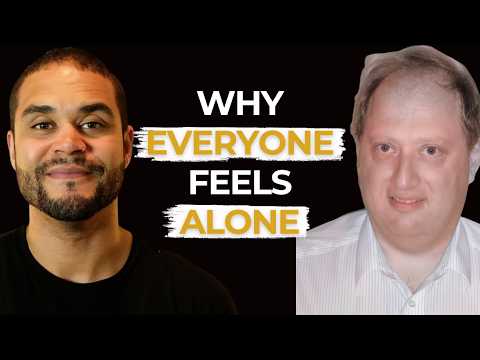
We live in a time when people can message anyone instantly, join communities from anywhere, and stay in touch across continents. Yet despite all of this technology, more and more people feel isolated, disconnected, and alone. That tension sits at the heart of a recent Think Unbroken podcast episode featuring Friending founder Gabor Kadas, which focused on the growing loneliness epidemic and the hidden cost of digital connection.
The episode explores a simple but important question: if we are more digitally connected than ever, why do so many people still struggle to build real relationships? According to the discussion, one major reason is that technology can create the illusion of friendship without delivering the emotional depth of real human connection. Social media, smartphones, and virtual communication make it easy to feel socially surrounded while still missing what people are biologically and emotionally wired for: in-person relationships.
That is a central belief behind Friending.
At Friending, we believe the future of social discovery should not be built around endless swiping, shallow interactions, or low-trust profiles. It should be built around real people, real intent, and safer ways to meet. In the podcast conversation, Gabor argues that people increasingly mistake digital proximity for friendship, even when they have never met the other person in real life. He also points to a second problem: fear. Many people are hesitant to meet others because they do not know who is really behind a profile, and that uncertainty keeps them inside their comfort zones.
This is exactly where trust matters.
Loneliness is not only an emotional issue. The episode frames it as something that affects mental, emotional, and physical well-being, while also being amplified by trends like remote work, screen dependence, and a more AI-driven world. It also highlights how fear of rejection and fear of strangers can stop people from taking the first step toward real friendship.
We see that same reality in the market every day. People are not simply looking for another app. They are looking for confidence. They want to know that the person on the other side is real. They want to feel safer meeting someone new. And they want social platforms to support real-world connection, not replace it.
That is why Friending is being built around a trust-first model. We believe that real connection starts with authenticity. In a digital environment full of fake profiles and low-trust interactions, verification is not just a feature — it is part of the foundation for healthier, more meaningful social discovery.
The loneliness epidemic is real. But so is the opportunity to build something better.
Technology should not leave people feeling more alone. It should help people move from passive interaction to genuine friendship. It should make it easier — not harder — to step outside the screen and into real life.
That is the future we believe in.
Real. Verified. Safe.